
Category: Teaching
-

The Seven Deadly Sins and Seven Virtues of Music Programming by Ryan Fisher, PhD, Miami University
Introduction Every ensemble director selects repertoire, yet few professional decisions have a greater influence on student learning. The music we choose shapes musical development, artistic identity, cultural understanding, and, perhaps most importantly, students’ lifelong relationship with music. Programming is far more than preparing for the next concert. It is one of the most significant acts…
-

“The Effects of Body Mapping Instruction on Singers’ Posture” by Amanda Moreno, PhD
This study, by Dr. Amanda Moreno, investigates the impact of Body Mapping instruction on singers’ postural alignment, highlighting a connection between anatomical understanding and vocal performance. This research supports evidence-informed approaches in vocal pedagogy, emphasizing body awareness for effective singing.–Stephanie Bonitz, Editor Physical posture is a foundational component of vocal technique. Vocal educators use a…
-
Empowering Music Educators: Leadership Academy Insights by Stephanie Bonitz, Editor
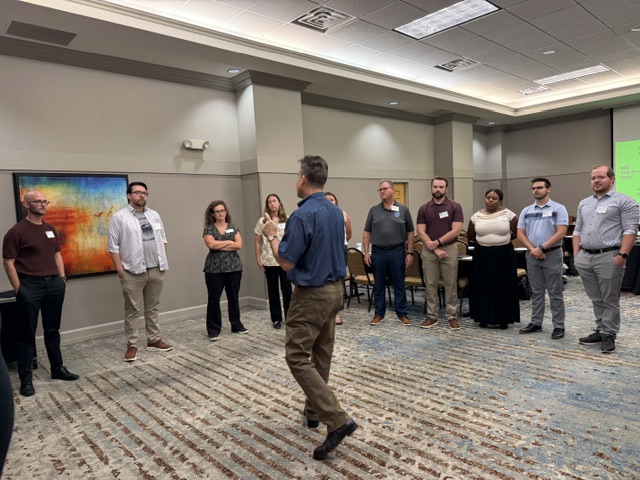
Great music education doesn’t stop at the podium, it requires vision, strategy, and bold leadership. That’s where the Charles H. Benner Leadership Academy comes in. As OMEA’s leadership initiative, the academy empowers current and rising music educators across Ohio to step up, refine their skills, and help shape the future of our profession. Originally launched…
-

Teaching Students How to Listen in the Age of AI: Lessons from the Orchestra Podium by Ricardo Averbach
From our Spring 2026 edition of the OMEA TRIAD, this article discusses the challenges of teaching music appreciation in a world where attention spans are diminished. It emphasizes the importance of teaching students how to listen deeply, distinguishing between mere entertainment and meaningful engagement with music.—Stephanie Bonitz, Editor of the TRIAD Two Classrooms, Two Kinds…
-

Popular Music in Our Classrooms – It’s Not a Leap of Faith by Michelle Leasor, Ed.D.
Taken from our Spring 2026 edition of the OMEA TRIAD, this article challenges the growing disconnect between traditional classroom music and the diverse musical styles students engage with outside of school. To bridge this gap, incorporating popular music can enrich music programs without abandoning classical traditions. This approach validates students’ musical identities and prepares them…
-

Alumni Programming-Connecting Generations-RAMP by Amy Phillips
From our Winter 2026 edition of the OMEA TRIAD, this article details the community engagement possibilities for school districts across the State of Ohio. Ben and Nancy Rose, Lima Senior High School graduates, initiated the Rose Alumni Music Program (RAMP) in 2017, connecting alumni in music with current students. The multi-generational project enhances students’ experiences,…
-

Fostering Emotional Awareness and Self-Regulation in the Music Classroom by Lisa Gruenhagen and Anna McClure
From our Winter 2026 issue of the OMEA TRIAD–Positive emotions enhance perception, resilience, and creativity in students, fostering emotional awareness and self-regulation. Teachers can support emotional well-being by modeling regulation strategies and encouraging students to articulate their feelings. Tools like emotion charts and mindful breathing help create a positive classroom environment, essential for effective learning…
-
Conducting the Classroom: Classroom Management Insights from Student Teachers by Michael Alsop
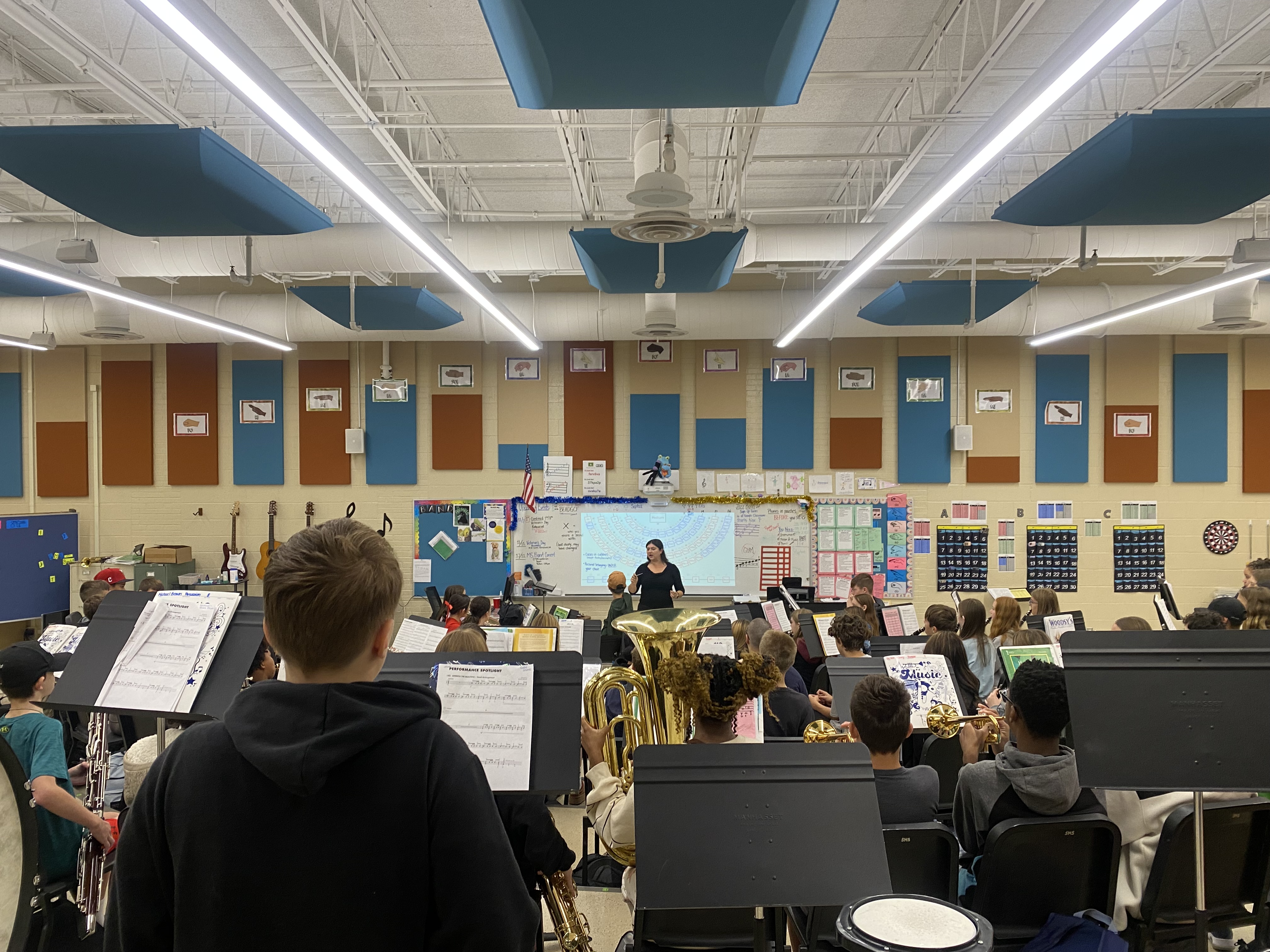
Classroom management remains one of the most daunting challenges for new teachers, and student teaching often provides the first taste of its unpredictable nature. While coursework in teacher preparation programs emphasizes structure, planning, and professionalism, nothing quite compares to the first time a student teacher stands in front of a class alone and realizes that…
-

Rethinking Ensemble Hierarchies: The Impact of Rotating Seats and Parts on Student Growth and Engagement by Mackenzie Miller
This article, from the Fall 2025 edition of the OMEA TRIAD, focuses on classroom environment changes to enhance student experiences. Rotational seating in music ensembles enhances student growth and engagement by promoting inclusivity and reducing hierarchical pressures. This approach fosters collaboration, improves confidence, and increases motivation. By allowing students to take on diverse roles, it…
