
Category: Choir
-

“The Effects of Body Mapping Instruction on Singers’ Posture” by Amanda Moreno, PhD
This study, by Dr. Amanda Moreno, investigates the impact of Body Mapping instruction on singers’ postural alignment, highlighting a connection between anatomical understanding and vocal performance. This research supports evidence-informed approaches in vocal pedagogy, emphasizing body awareness for effective singing.–Stephanie Bonitz, Editor Physical posture is a foundational component of vocal technique. Vocal educators use a…
-

Alumni Programming-Connecting Generations-RAMP by Amy Phillips
From our Winter 2026 edition of the OMEA TRIAD, this article details the community engagement possibilities for school districts across the State of Ohio. Ben and Nancy Rose, Lima Senior High School graduates, initiated the Rose Alumni Music Program (RAMP) in 2017, connecting alumni in music with current students. The multi-generational project enhances students’ experiences,…
-
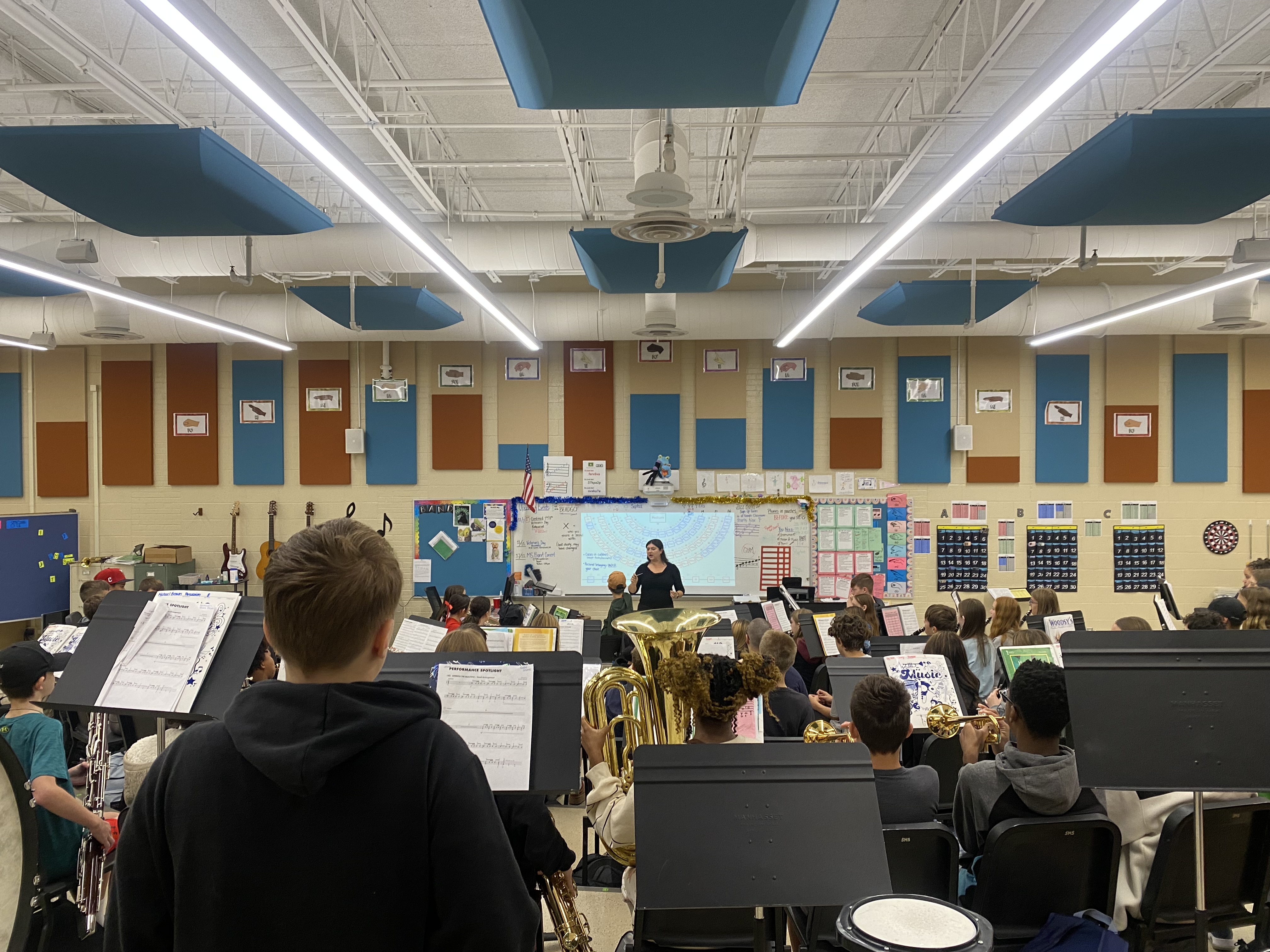
Conducting the Classroom: Classroom Management Insights from Student Teachers by Michael Alsop
Classroom management remains one of the most daunting challenges for new teachers, and student teaching often provides the first taste of its unpredictable nature. While coursework in teacher preparation programs emphasizes structure, planning, and professionalism, nothing quite compares to the first time a student teacher stands in front of a class alone and realizes that…
-

Rethinking Ensemble Hierarchies: The Impact of Rotating Seats and Parts on Student Growth and Engagement by Mackenzie Miller
This article, from the Fall 2025 edition of the OMEA TRIAD, focuses on classroom environment changes to enhance student experiences. Rotational seating in music ensembles enhances student growth and engagement by promoting inclusivity and reducing hierarchical pressures. This approach fosters collaboration, improves confidence, and increases motivation. By allowing students to take on diverse roles, it…
-
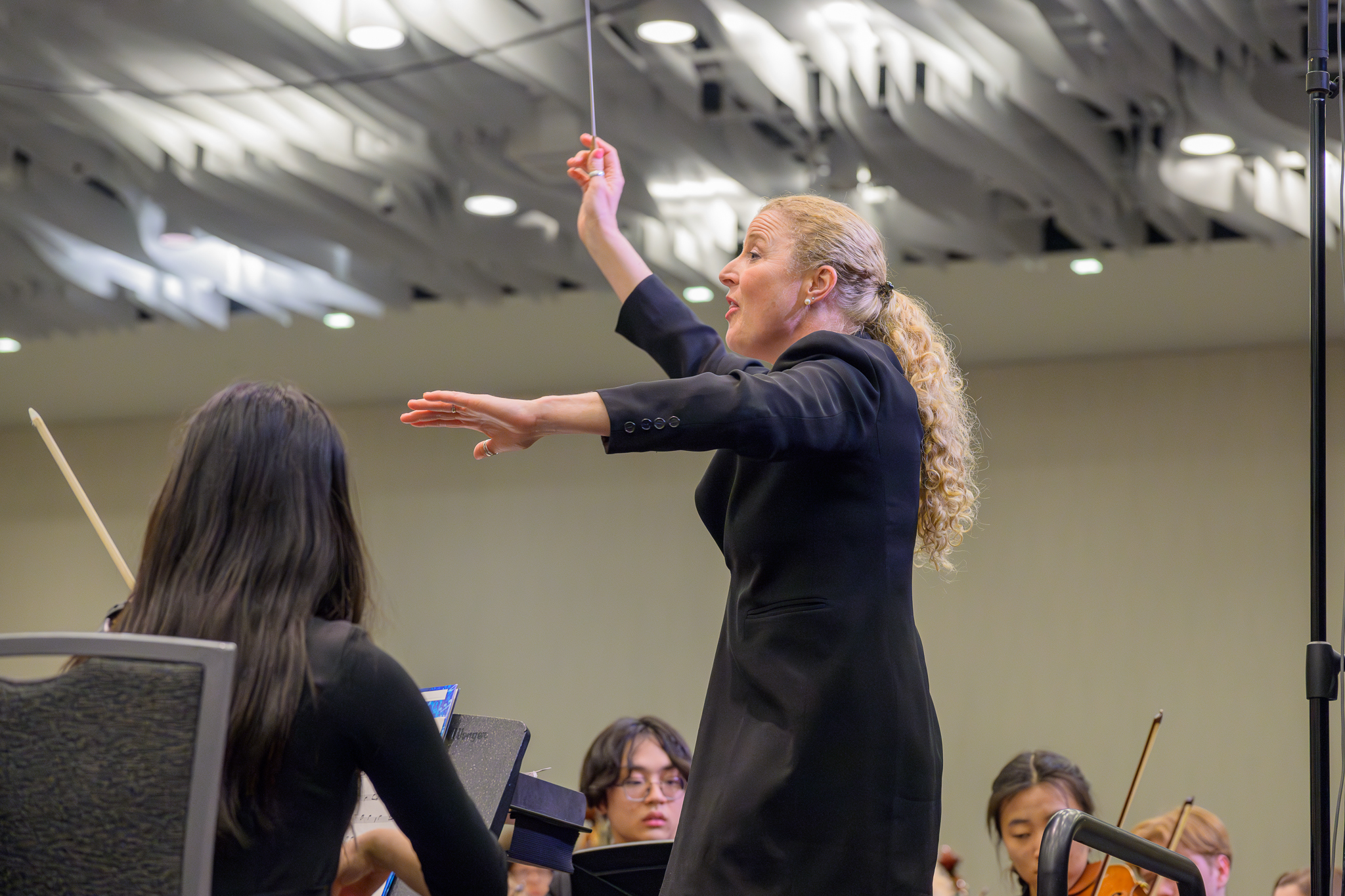
Eyes Up Here! Using non-verbal gesture in your rehearsal by Emily Pence Brown
This article from our Spring 2025 edition of the TRIAD, delves deeper into the art of conducting. Conducting an ensemble requires balancing effective feedback with maximizing music-making time. Directors often choose between stopping rehearsals for verbal feedback or shouting over the performance, both having drawbacks. Utilizing non-verbal gestures can help maintain rehearsal pace and engagement…
-

Revisiting Reflective Practice: Ideas for Music Educators by Dr. Lisa Martin
Reflective practice in music education is vital for professional growth, allowing educators to critically analyze their methods and beliefs. It involves setting aside time, addressing challenges, and questioning the status quo. Reflection should occur at various stages and depths, celebrating successes and identifying areas for improvement to enhance teaching effectiveness.
-
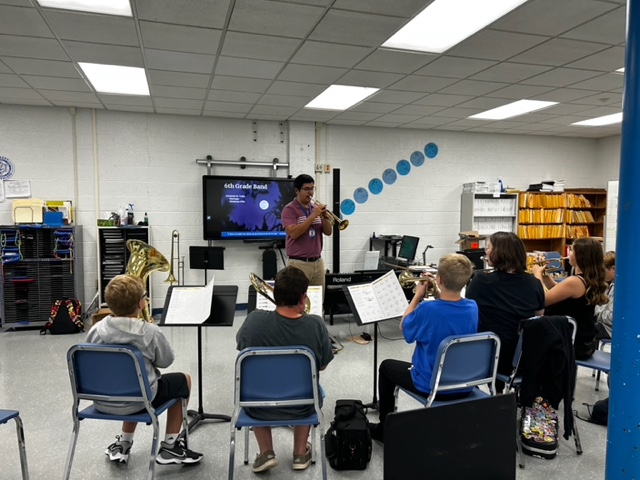
Learning from Our Mentors: Philosophies in Practice by Rohit Kolluri
This article from the 2023 OMEA TRIAD explores the development of teaching philosophies among band directors in Central Ohio, focusing on mentorship, student connections, and personalized instruction. Interviews with nine directors reveal that impactful mentors and the balance of rigor and enjoyment in teaching significantly influence their approaches, ultimately fostering strong relationships with students.- Stephanie…
-

Check Yourself- A List for Affirming Classroom Spaces-by Lorelei J. Batisla-ong, Ph.D.
This article addresses educators committed to recognizing each student’s unique identity and creating inclusive classroom environments. It emphasizes the importance of silence, active listening, and ongoing practice in developing affirming pedagogy. The piece challenges educators to confront and reflect on their own biases, encouraging an active pursuit of equity in music education.– Stephanie Bonitz, Editor…
-

The Low Key Club- by Dawn Anglin
Want to increase your male participation in choral activities at a high school? Initiated by a choir director and two motivated students in this article, the Low Key Club focuses on normalizing singing for boys, conducting research, engaging younger students, and successfully culminating in a public performance that fosters community involvement and excitement around singing.–Stephanie…